Ecofriendly pet clothing is a growing trend, and it’s pretty easy to see why. More pet parents are starting to care about what materials touch their furry friends’ skin and how those materials impact the planet. I’ve spent a lot of time researching sustainable pet products, and there’s a lot to know when picking the best fabrics for your pet’s comfort and for the environment.
Why Ecofriendly Pet Clothing Materials Matter
The fabric you choose for your pet’s clothes doesn’t just affect their comfort. It matters for their health and for the environment too. Many mainstream fabrics rely on heavy chemicals, unsustainable resources, or lots of water and energy to produce. For pets (especially those with allergies or sensitive skin), certain materials can also cause discomfort. By going for ecofriendly options, I’m not just helping my pets, but I’m also choosing something better for everyone’s future.
As more companies step up their sustainability game, I’ve seen a steady stream of new, creative materials popping up. But not every “green” label means the same thing, so knowing what to look for can really make a difference. Some brands use only a blend of eco and standard fibers, so getting a feel for what certifications or terminology mean is worth your time. The push for transparency and greener choices is making it much easier to spot what’s safe for your pet and kind to the environment.
Top Ecofriendly Materials for Pet Clothing
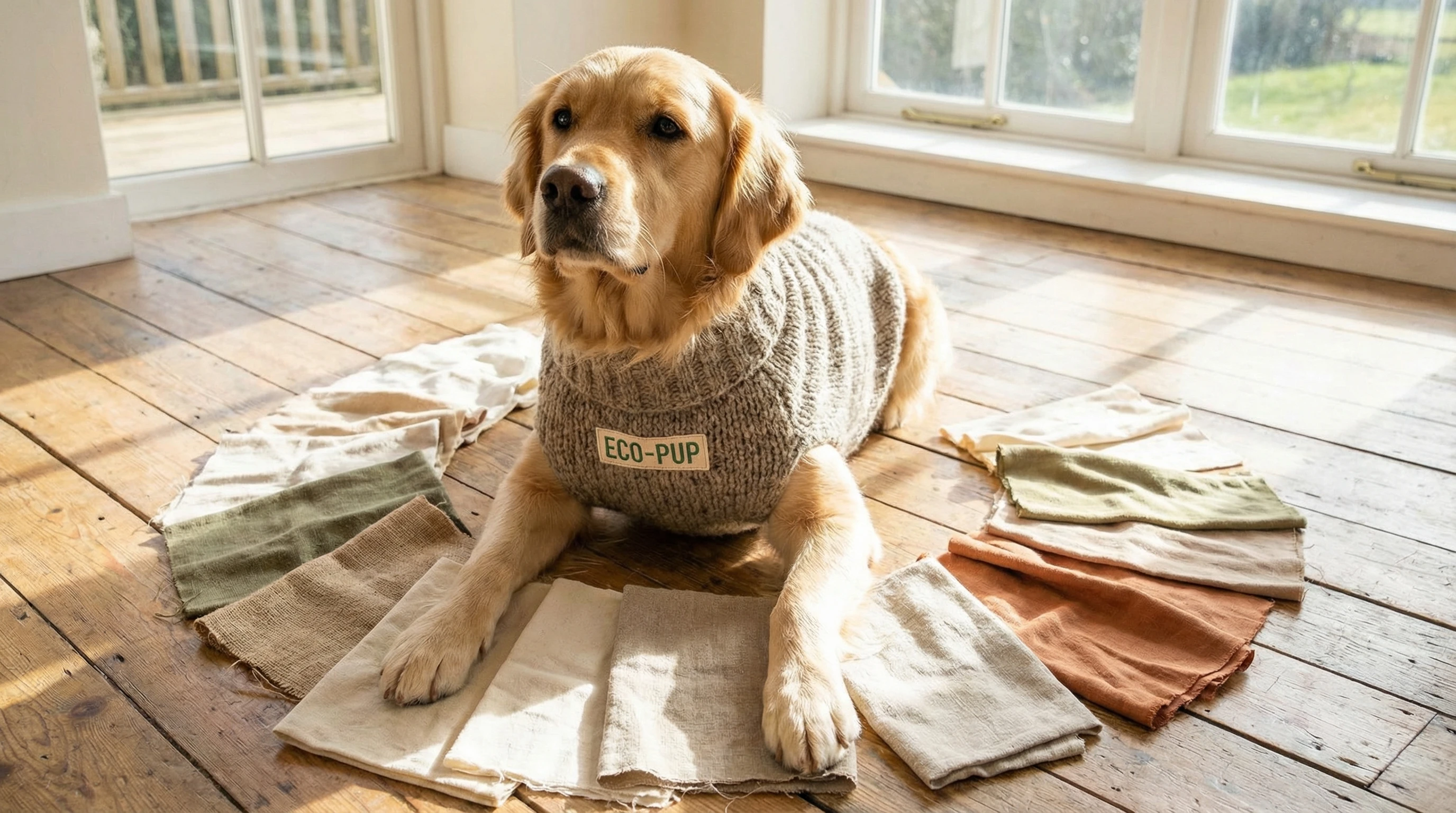
While there are a lot of natural and recycled textiles out there, only a few really stand out for pet wear. Here are ones I tend to reach for, and why:
- Organic Cotton: Grown without synthetic pesticides or fertilizers, organic cotton is gentle on pet skin and uses less water than traditional cotton.
- Bamboo: Bamboo fabric is super soft and has natural antibacterial properties. It grows quickly, requires little water, and is biodegradable.
- Hemp: Sturdy, breathable, and mold resistant, hemp grows with minimal pesticides and enriches soil as it grows.
- Recycled Polyester: Made from post-consumer plastic bottles or textile waste, recycled polyester helps divert plastic from landfills and needs way less energy to produce than virgin polyester.
- Linen (Flax): Linen is lightweight, absorbs moisture well, and is made from the flax plant, which usually requires fewer resources than cotton.
Each of these options comes with its own set of perks, especially when it comes to softness for your pet’s fur and the planet’s health. There’s also a growing market for new blends like recycled cotton or upcycled denim, which are starting to show up in fashion-forward pet brands looking to cut waste even further.
The Most Pet Friendly Fabrics Explained
Pet friendly fabrics mean softness, breathability, and safety. For dogs, cats, and other small animals, organic cotton is often one of the gentlest materials you can choose. It’s smooth, rarely irritating, and tends to be well tolerated by pets with sensitive skin or allergies.
Bamboo based fabric is another personal favorite. If your pet dislikes wearing clothes or fusses about itchy seams, bamboo’s smooth fibers are worth checking out. And hemp, although a bit rougher at first, becomes softer with each wash and is great for heavyduty gear like jackets or harnesses.
I’d steer clear of most synthetics, unless they’re recycled and specifically designed to stay soft and nontoxic. Some cheaper synthetic blends can cause static, irritation, or overheating. With advancements in textile manufacturing, you might see new plant based leathers or materials made with agricultural waste gaining traction too, but organic cotton and bamboo still lead the charge for comfort.
Choosing the Best Fabric for Dog Clothes
Most dogs won’t want to wear anything stiff, heavy, or too warm, so stick with lighter, breathable materials. Here’s what I usually look for:
- Organic Cotton: For dog hoodies, T-shirts, or pajamas, organic cotton is usually my top pick. It’s cozy, easy to wash, and comes in loads of fun designs.
- Hemp: If your dog enjoys roughhousing in the yard or hiking, hemp blends can handle all that activity and are resistant to stink or mildew.
- Bamboo: For sensitive dogs or humid climates, bamboo fabric helps keep things cool and dry.
- Recycled Polyester: Great for raincoats or outdoor gear, just look for reputable brands using trusted certifications for recycled fiber.
Seasonality matters too. In winter, I add an organic cotton or bamboo fleece layer. For summer, a thin, organic cotton shirt keeps fur off furniture and your dog comfortable. Layering thoughtful materials ensures your pet feels just right, no matter the weather. If you’re curious about hypoallergenic options, flax linen also works for shorter walks or lounging.
NonToxic Fabrics: What to Know
Safety is just as important as sustainability when it comes to picking what touches your pet’s body. Some dyes, finishes, or treatments on fabrics (especially synthetics) can leave behind toxins or irritants. The least toxic fabrics are those with the simplest ingredients, minimal processing, and certifications like GOTS (Global Organic Textile Standard) or OEKO TEX®. These labels mean the material has been tested for harmful chemicals.
- Organic Cotton & Hemp: Naturally hypoallergenic and rarely treated with harmful substances.
- Bamboo (Eco processed): Bamboo fiber made with closed loop systems ensures no harsh chemicals stay in the final fabric.
- Linen: Flax linen is a very low toxin material, especially when undyed or dyed with plant based products.
I always suggest avoiding anything with “wrinkle free,” “flame retardant,” or “stain resistant” claims unless specifically labeled nontoxic, as those can sometimes signal chemical finishes.
Tips for Picking Sustainable Pet Clothes
- Look for Certifications: GOTS, OEKO TEX®, and USDA Organic are pretty reliable signs you’re buying something safer and greener.
- Consider Durability: The longer something lasts, the less you’ll buy. Hemp and recycled polyester win here for outerwear, while organic cotton and bamboo are great for basics.
- Check the Brand: Transparent brands will tell you where their materials come from and how they’re processed.
- Avoid Unnecessary Addons: Skip excessive plastic snaps, zippers, or decorations, and look for biodegradable buttons or simple stitches.
Making sure your pet’s clothing fits well is also super important. Too tight or loose can make even the comfiest material feel wrong. I always do a quick measurement check before ordering anything new. Some brands now offer adjustable closures to help get a perfect fit, so it’s worth exploring those features.
Challenges with Ecofriendly Pet Clothing Materials
Ecofriendly options are growing, but they’re not without their obstacles. Here’s a quick runthrough of what I’ve noticed:
- Limited Availability: Depending on where you’re shopping, not every eco material is easy to find in pet clothing. Small, handmade brands usually lead here.
- Higher Price Point: Sustainable fabrics, especially those with real certifications, generally cost more than mass market synthetics. It’s something I factor into my budget, knowing the quality tends to pay off in comfort and longevity.
- False “Greenwashing” Claims: Some brands use the term “eco friendly” pretty loosely. Reading the actual material breakdown and checking for trusted certifications helps avoid this.
Another obstacle can be sizing inconsistency among small batch or boutique makers. Always double check your pet’s measurements when buying from a new brand, and reach out with questions if information on the fabric or fit isn’t crystal clear. Transparency is key, and good brands will happily answer your concerns about their supply chain or materials.
Material Breakdowns: The Big Four
- Organic Cotton: Grown by organic standards, often the softest, with no pesticide residue.
- Bamboo: Super soft, naturally odor resistant, renewable, but best if processed without harsh chemicals.
- Hemp: Earth friendly, long wearing, gets softer with use, a little rough at first.
- Recycled Polyester: Gives new life to old plastic, waterproof options available, just check blending percentages.
All of these beat out regular polyester or nylon when it comes to ecofriendliness and pet comfort. Upcycled fabrics and closedloop production systems also show promise, so keep an eye out as these options spread fast.
Common Questions About Ecofriendly Pet Clothing Materials
What fabric is most pet friendly?
Organic cotton is usually the go to. It’s soft on skin, rarely causes any irritation, and is widely used in both pet and baby clothing for its comfort and safety. For active pets, hemp is another strong, pet friendly option.
What is the most ecofriendly material for clothes?
Hemp tends to be the leader. It grows with very little water, no need for pesticides, and actually improves soil as it matures. Both organic cotton and bamboo are strong runnerups, especially if sourced from manufacturers with solid eco credentials.
What is the best fabric for dog clothes?
For most everyday wear, organic cotton and bamboo blends are best. Outdoor gear benefits from hemp or recycled polyester, since they handle rough play and unpredictable weather really well.
What is the least toxic fabric to wear?
Undyed organic cotton and hemp are the least processed and typically the safest you’ll find. Fabrics with OEKO TEX® or GOTS labels also signal low toxicity levels and are good for pets with sensitive skin or allergies.
Bottom Line
Choosing ecofriendly pet clothing materials does more than keep your dog or cat looking stylish. It’s about protecting their health, cutting down on waste, and supporting brands that care about the planet. I always shine a light on organic cotton, bamboo, hemp, and recycled polyester as the top choices—each with their own perks, depending on your pet’s needs. Paying attention to certifications helps you steer clear of “greenwashing” and find real, sustainable options that your pet will actually enjoy wearing. There are more allinone solutions than ever, so you can track down comfy, safe clothes for your furry buddy that do a little good along the way.
Such a helpful and thorough guide… thank you for breaking everything down so clearly! Eco-friendly pet clothing is something I’ve gotten much more intentional about over the years, especially after our miniature schnauzer had to have an operation on his tummy when he was young. After that, we were encouraged to keep his belly warm and protected, so we had to be really careful about what materials we chose for him. Soft, breathable, and non-toxic fabrics made a huge difference in keeping him comfortable and irritation-free.
Reading your breakdown of organic cotton, bamboo, hemp, and recycled options really resonated. It’s reassuring to see that the fabrics we ended up gravitating toward—especially organic cotton—are not only gentle but also sustainable. I also appreciate your warning about greenwashing and the reminder to look for certifications like GOTS or OEKO-TEX®.
This is such a valuable resource for pet parents who want to do better for their pets and the planet.
Jennifer,
Thank you so much for sharing this – and poor little schnauzer, I’m glad you found a clothing approach that keeps his tummy comfy and protected. It’s powerful to hear how much of a difference soft, breathable, non-toxic fabrics made for him; that’s exactly why these details matter so much in real life, not just on paper.
I’m really happy to hear that the breakdown of organic cotton, bamboo, hemp, and recycled options resonated with your experience, and that organic cotton has been such a good fit for your pup. And yes, the greenwashing piece can be so confusing, so it’s great that you’re already paying attention to certifications like GOTS and OEKO-TEX®.
Thank you again for taking the time to leave such a thoughtful comment—pet parents like you are exactly who I had in mind when putting this together. ????