Sustainable pet accessories are becoming more popular among people who care about the planet and their pets. Items like collars, leashes, toys, and beds don’t have to create extra waste or use nonrenewable resources. By choosing products made from ecofriendly materials and manufacturers with ethical practices, I support both my pet’s health and the world they live in. This guide explains why making more sustainable choices with pet accessories is not just a trend but a better way forward for everyone.
What Makes a Pet Accessory “Sustainable”?
Sustainable pet accessories are designed to minimize environmental impact during creation, use, and disposal. This includes the materials used, the processes involved, and even things like packaging. Some cool features that make accessories worth considering for anyone aiming to be more ecofriendly include:
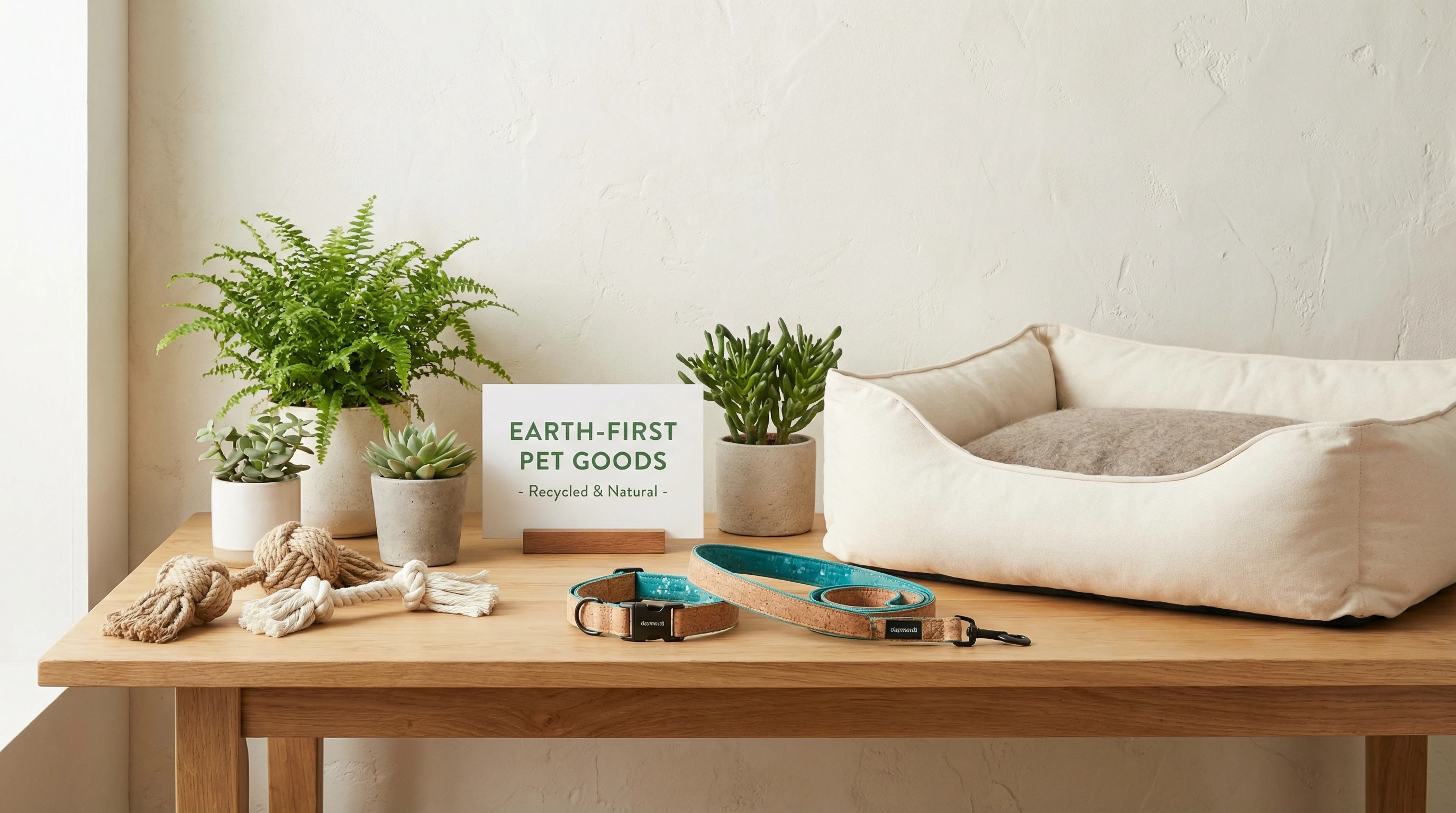
- Natural or recycled materials: Many brands now use hemp, bamboo, recycled cotton or PET (plastic bottles), or even cork. These options don’t clog up landfills and often break down more easily than plastics or synthetics.
- Low impact dyes and nontoxic finishes: Traditional manufacturing may use dyes and chemical finishes that can harm pets, people, or the planet. Ecofriendly choices skip the hazardous chemicals.
- Durable design: Well made products last longer, so I don’t replace them as often. This cuts back on waste and saves me some cash in the long run.
- Compostable or biodegradable: Some products, especially waste bags or cat litter, are designed to break down naturally instead of sticking around in landfills for decades.
Why I Prioritize Sustainable Pet Accessories
The pet industry’s carbon footprint isn’t small. Globally, millions of accessories reach landfills each year. I’ve noticed that swapping out just a few traditional pet products for more sustainable choices can shrink my impact right away. Here’s why this switch up matters:
- Reduces waste: From packaging to broken chew toys, pet gear adds up in landfills. Choosing compostable or recyclable options cuts down on long-term waste.
- Minimizes exposure to toxins: My pets gnaw and snuggle up against their toys and beds. Sustainable products limit harsh chemicals and dyes, keeping pets safer.
- Supports ethical businesses: Many ecofriendly brands invest in fair labor practices and responsible sourcing. This supports both people and the planet.
- Protects wildlife: Fewer plastics and harmful dyes mean less pollution, helping to keep wildlife habitats cleaner and healthier.
Getting Started with Sustainable Pet Accessories
Transitioning to more ecofriendly choices doesn’t have to break the bank or totally overhaul my pet’s routine. I usually start by prioritizing the products I replace most often or use every day. Here’s what that looks like for me:
- Collars & Leashes: I look for tough hemp, organic cotton, or recycled fabrics. They’re sturdy and feel much softer than you’d expect.
- Toys: My dog chews through toys fast, so I try ones made from upcycled materials, natural rubber, or untreated wool. Some brands even offer take back programs for old toys.
- Beds and Blankets: There are options stuffed with recycled fill and made from organic or bamboo outer fabrics, which stay comfortable for a long time.
- Waste Bags & Litter: Biodegradable waste bags and plant based cat litters keep plastic out of the trash. That’s a small swap with a big payoff if you add up all the bags used per year.
Common Challenges and How I Find My Way Through Them
Ecofriendly pet products are more widely available than ever, but there are still a few hurdles I run into now and then.
- Price: Some sustainable products cost more upfront. I look at durability and potential for fewer replacements as a way to balance the cost. Bulk deals or sales can really help, too.
- Finding Trusted Brands: Not all companies are super transparent about how their products are made. I check for certifications like GOTS (for organic textiles), OEKOTEX, or the use of recycled materials. Online reviews and recommendations from ecofriendly pet owners can point me in the right direction.
- “Greenwashing” Claims: Some packaging looks green but doesn’t tell the whole story. I pay attention to actual ingredients and production details rather than just clever marketing.
- Durability: I weigh whether the sustainable option is actually tough enough. If a product breaks quickly, even if it’s compostable, it may not offer much true benefit. I stick with brands with strong reputations for durability.
Price vs. Value
Many people, including me, are a bit hesitant to spend more on ecofriendly products at first. But by factoring in product lifespan and my own replacement rate, I’ve noticed the extra investment often pays off and feels a lot better. I’d rather have one collar for two years than three that end up in the trash after a few months each.
Spotting Real Sustainability
Labels like “eco,” “natural,” or “green” aren’t enough for me. I look into the company’s actual practices. Are they using renewable energy? Where do they source their materials? Do they offer recycling or buyback programs?
Simple Swaps That Make a Difference
It doesn’t take a full lifestyle overhaul to jumpstart a more sustainable home for pets. Some easy swaps I use include:
- Switching from plastic bowls to stainless steel, bamboo, or recycled glass.
- Choosing compostable or recycled waste bags over traditional plastic ones.
- Looking for cat litters with all natural, plant based ingredients instead of clay based products that require strip mining.
- Opting for toys made from upcycled or organic fabrics rather than plastic heavy toys.
Each choice feels small, but combined, they add up over a year, especially if multiplied by all the households doing the same thing.
FAQ: Sustainable Pet Accessories
Switching to sustainable accessories brings up a few common questions, so I’ve gathered some answers based on my own research and experience.
Question: Are sustainable pet accessories as safe as regular ones?
Answer: Many ecofriendly products are actually safer because they cut out harmful chemicals, dyes, and plastics. Always check for quality certifications and materials lists to make sure.
Question: Where can I find reliable sustainable brands?
Answer: More pet shops and online retailers now highlight ecofriendly options. I check their sustainability section or browse brands that specialize in green products. There are many directories and pet blogs that review these.
Question: Is it possible to make my own sustainable pet accessories?
Answer: DIYing beds or toys from old jeans, towels, or t-shirts can be a fun, eco conscious way to upcycle things already in my home. Tons of simple tutorials are out there for making safe and sturdy homemade gear.
Question: How do I know if a company is truly sustainable?
Answer: Look for transparency. Clear info about sourcing, materials, renewable energy use, packaging, and giving back to environmental causes are all positive signs. If it’s hard to find this info, that might be a red flag.
Bringing It All Together
Sustainable pet accessories help me reduce my carbon footprint, keep my pets safer, and use my dollars for good. Making the switch doesn’t have to be overwhelming. Simple swaps and small changes matter. My choices influence the market, encourage greener business practices, and protect our shared environment, all while keeping my pets happy and healthy.
More people are realizing that their pet gear can do double duty by caring for their best friend and the earth. If you haven’t tried out any ecofriendly pet accessories yet, picking just one swap can make a noticeable difference. Your pet (and the planet) will thank you!
Finally, remember that ecofriendly choices in pet accessories set an example for others and inspire larger community changes. Whether you choose a recycled collar, compostable litter, or DIY a new toy, your small actions can ripple out to make a big impact. Think of each choice as a way to show some extra love for your pets and the world they play in. So next time you shop for your four-legged friend, check out the sustainable options and see how easy doing good can be, one accessory at a time.